

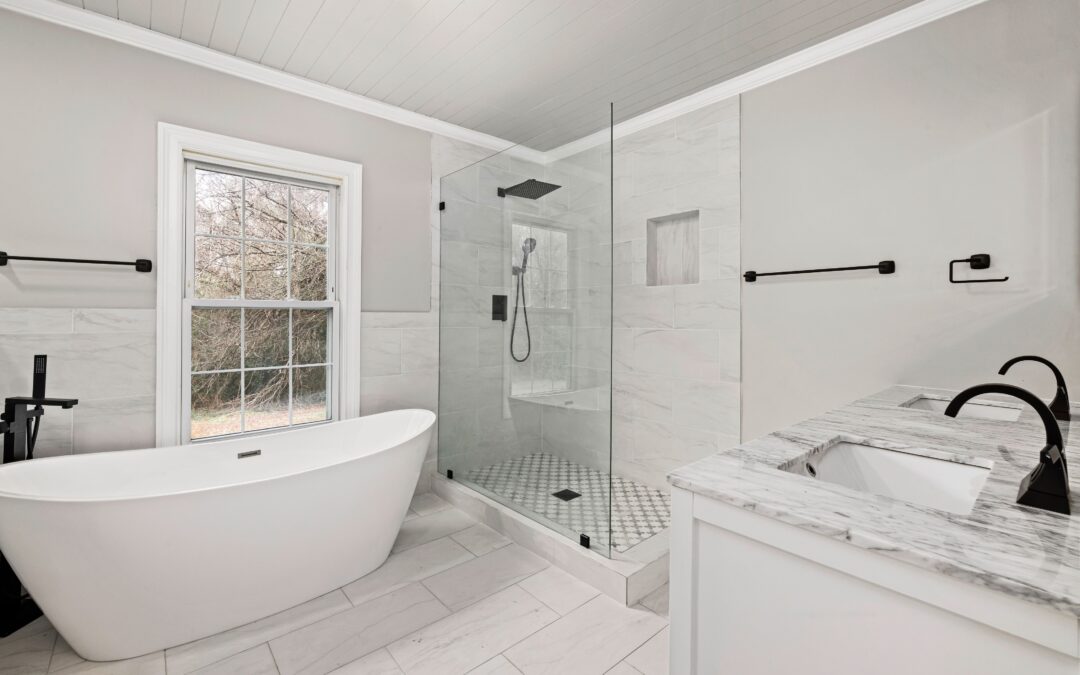
Bathroom remodel cost depends on scope far more than on size, which is why two bathrooms with the same footprint can end up at very different numbers.
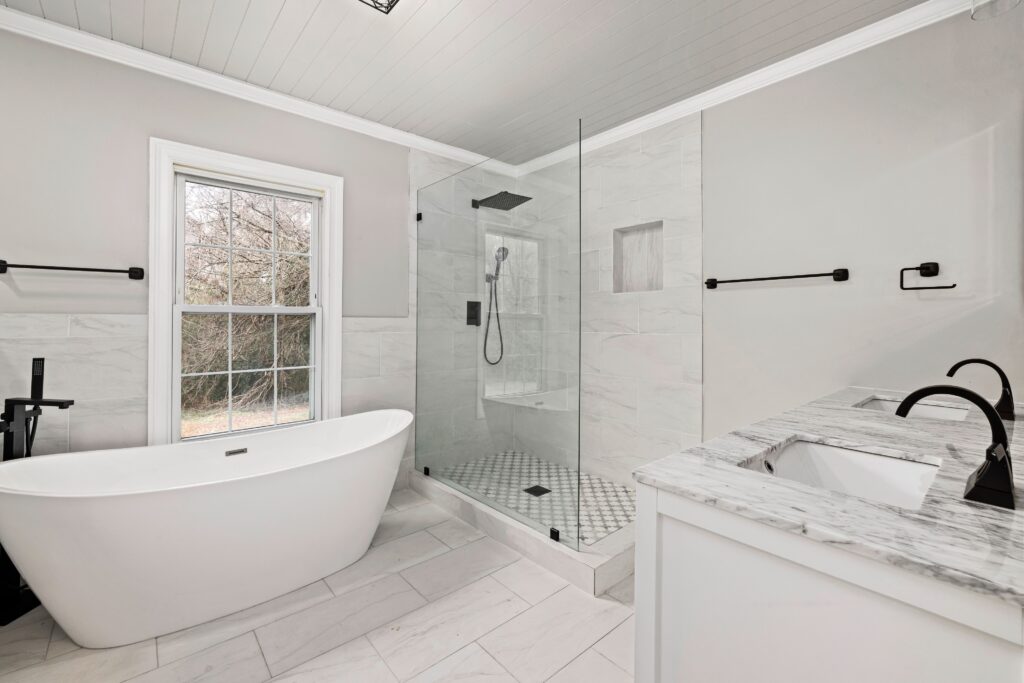
“How much will this cost?” is the first question in almost every bathroom remodel conversation — and the honest answer is that it depends heavily on scope. Here’s a realistic breakdown of where the budget actually goes.
The three tiers of a bathroom remodel
A cosmetic update — new vanity, fixtures, paint, and flooring without moving plumbing — is the most affordable tier. Keeping the existing layout means no permits for plumbing relocation and a faster timeline.
A mid-range remodel typically includes a new tub or shower, updated tile, and possibly reconfiguring the vanity, but keeps major plumbing lines in place. This is the most common remodel we see across San Diego County.
A full gut renovation involves moving plumbing, potentially expanding the footprint, and replacing everything down to the subfloor. This tier costs the most and takes the longest, but it’s the only option when there’s water damage, outdated plumbing, or a layout that genuinely doesn’t work.
What moves the price the most
Moving plumbing fixtures — relocating a toilet or shower to a different wall — adds cost and time regardless of the finish level, because it requires new supply and drain lines, often permitting, and sometimes floor or wall modifications to route them.
Tile and stone selections vary enormously. Ceramic tile and mid-range stone-look porcelain keep costs predictable; natural stone, custom mosaic work, and large-format tile installation all add labor time and material cost.
Structural changes — removing a wall to expand a primary bathroom, for example — are the single biggest cost driver, since they touch framing, electrical, and sometimes HVAC in addition to the bathroom itself.
A budget buffer is not optional
Once walls open up, it’s common to find things that weren’t visible during the estimate — old plumbing that doesn’t meet current code, water damage behind tile, or wiring that needs updating. Setting aside 10–15% of your budget as a contingency isn’t pessimism, it’s just how remodeling actually works, and a contractor who tells you otherwise is setting you up for a difficult conversation mid-project.
How to keep bathroom remodel cost under control
You can hold bathroom remodel cost down without cutting quality. Keep fixtures where they are, because moving a toilet or shower is the quickest way to add plumbing work. Choose one place to splurge, such as a tile feature wall or a better vanity, and keep the rest mid-range. Finalize every selection before demolition so you avoid change orders. And ask for an itemized scope, so you can see exactly where the money goes.
Water-efficient fixtures are worth a look
Many homeowners choose water-efficient toilets and showerheads during a remodel. The EPA’s WaterSense label identifies fixtures that use less water without giving up performance, which can lower your water bill for years. They are often priced close to standard models, so it is a small decision with a long payoff. If space is tight, see our ideas for a small bathroom remodel.
The bottom line on bathroom remodel cost
Bathroom remodel cost comes down to three things: the scope you choose, the selections you make and the surprises behind the walls. Decide the tier first, finalize your selections before work begins, and keep a 10–15% contingency. Do those three things and bathroom remodel cost stops being a guessing game, and you can compare bids on equal terms.
Get a real number, not a guess
At Total Renovation, every bathroom remodel starts with an in-person walkthrough and a written, itemized scope — not a rough phone estimate. You’ll know what you’re actually paying for before any work begins.
Talk to us about your bathroom or see our full Home Renovation services.