

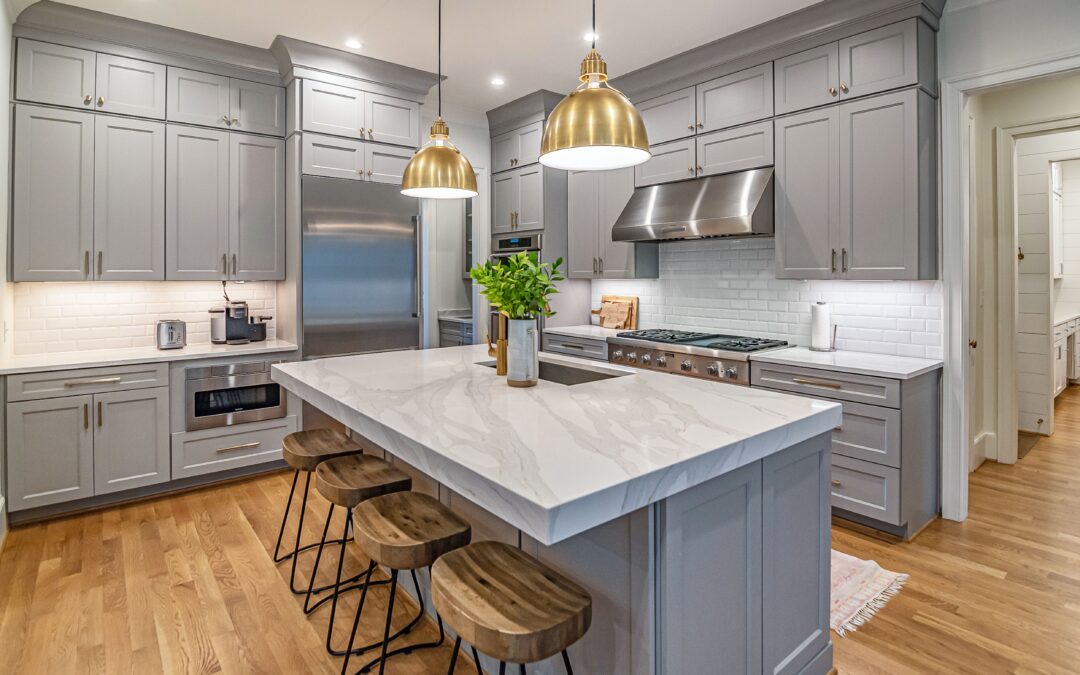
Cabinet refacing vs replacement is a decision that comes down to what is hiding inside the cabinet boxes, not just what the doors look like.
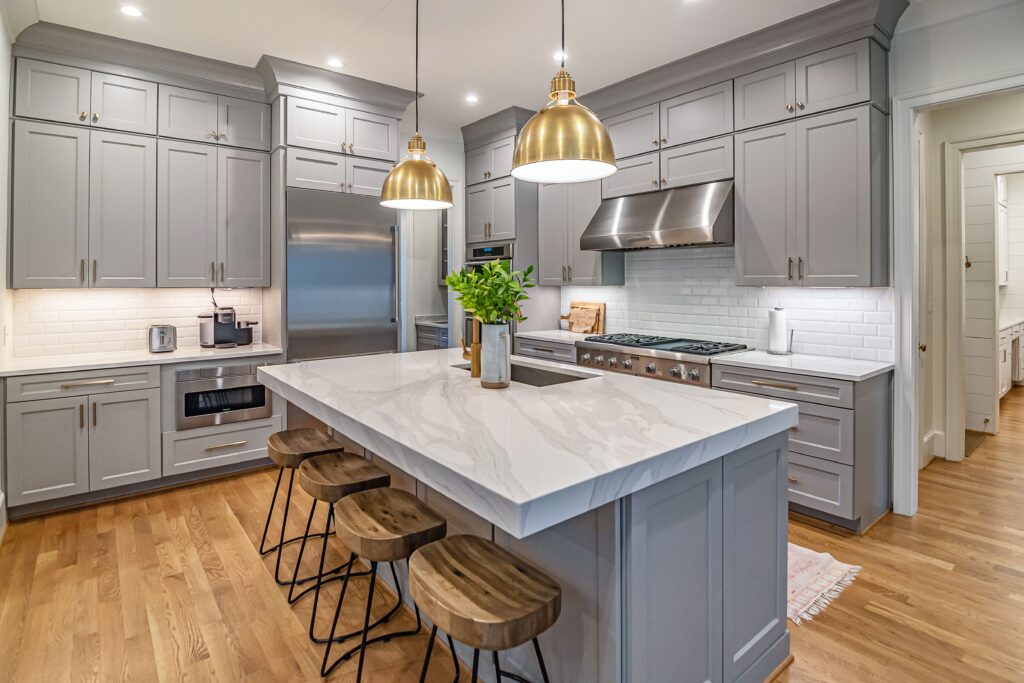
Cabinet refacing gets pitched as the budget-friendly alternative to full replacement — and sometimes it is. But the right choice depends on the actual condition of what’s underneath, not just the price tag.
What refacing actually involves
Refacing keeps the existing cabinet boxes in place and replaces only the doors, drawer fronts, and visible surfaces, often with new veneer or laminate covering the box exteriors. It’s faster than full replacement, generates less demolition debris, and costs meaningfully less since the structural boxes don’t need to be rebuilt.
When refacing makes sense
Refacing is the right call when the cabinet boxes themselves are structurally sound — no water damage, no warping, and hardware that still functions correctly — but the finish is dated or damaged. It’s also a strong option when the layout works fine as-is and you’re not trying to change the cabinet configuration.
When full replacement is the better investment
If boxes are water-damaged, warped, or the layout genuinely doesn’t serve the space anymore, refacing just delays a problem rather than solving it. Refacing also can’t fix a layout — if you want different storage configurations, wider drawers, or a different footprint entirely, replacement is the only real option.
For rental units specifically, this decision often comes down to the unit’s remaining useful life in your portfolio and how many turnovers you expect before a more comprehensive renovation. A quality refacing job can extend a kitchen’s life by several years at a fraction of replacement cost — a reasonable choice for a unit not slated for major renovation soon.
Cost and durability, side by side
Refacing typically costs 30–50% less than full replacement and takes days rather than weeks. But its durability is directly tied to the condition of the boxes underneath — a well-executed refacing job on solid boxes can look and perform like new cabinetry for years, while refacing damaged boxes is essentially cosmetic and won’t hold up the same way.
Cabinet refacing vs replacement in older homes
If your home was built before 1978, the old paint on cabinets may contain lead, and sanding or removing it creates dust. That work should follow lead-safe practices. You can read about the rules on the EPA’s Renovation, Repair and Painting Program page, and see our guide to lead-safe renovation. It is one more reason to have someone inspect the boxes before you decide.
A quick checklist for deciding
- Are the boxes solid, with no water damage or warping?
- Does the current layout work for how the kitchen is used?
- How long will you keep the unit or the home?
- Do you need different drawers, storage or appliances?
If the answer to the first two is yes and you plan to keep the kitchen for several years, refacing is usually the better value. If not, replacement is the honest answer. For the full picture on pricing, see our guide to kitchen remodel cost.
The bottom line
The honest answer to cabinet refacing vs replacement is that it depends on the boxes, the layout and how long you will keep the space. Have someone open the cabinets and check before you spend anything. A good inspection turns cabinet refacing vs replacement from a guess into a clear, defensible decision.
The honest assessment matters most
The biggest risk isn’t choosing the wrong option — it’s a contractor recommending refacing without actually opening cabinets and checking the boxes first. We inspect the actual condition before recommending either path, so you’re making the decision based on what’s really there, not a guess.
Talk to us about your kitchens — whether it’s one unit or a portfolio-wide renovation plan.