

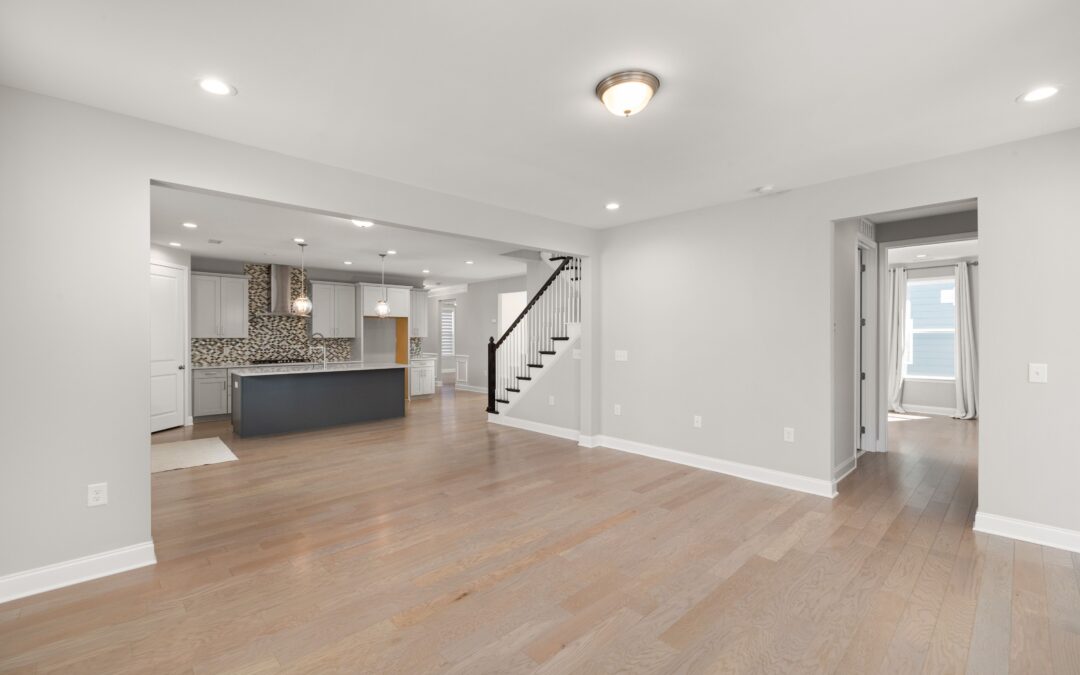
A good unit turnover checklist is the difference between a unit that is ready in days and one that sits empty for weeks. Every extra vacant day costs rent, so the goal is to remove the delays that creep into every turn. Here is a ten-step checklist we use with property managers across San Diego County.
1. Schedule the move-out walkthrough early
Do the walkthrough as soon as the tenant leaves, or even before. Photograph everything, so you can document damage versus normal wear and prepare the scope right away.
2. Write a scope the same day
The longer the scope waits, the longer the unit sits. List paint, flooring, cleaning, appliances, fixtures and repairs on the unit turnover checklist so each can be priced and scheduled.
3. Order long-lead items immediately
Appliances, cabinet doors and special flooring can take weeks. Order them while demolition and paint are being scheduled so nothing holds up the final steps.
4. Sequence the trades
Order matters. In most units the sequence is demolition and repairs, plumbing and electrical, drywall, paint, flooring, then fixtures, cleaning and final touch-ups. Painting before flooring, or the reverse, can mean doing work twice.
5. Check for water damage and mold
Look under sinks, around toilets and behind appliances. Catching a slow leak at turnover is far cheaper than finding it later, and our guide on signs of mold in walls shows what to look for.
6. Decide repair versus replace
Cabinets, counters and flooring do not always need to be replaced. Refacing or resurfacing can save time, and we compare options in cabinet refacing vs. replacement.
7. Use durable, consistent finishes
Standardizing paint colors, flooring and fixtures across units makes materials easier to keep on hand and speeds up every future turn.
8. Confirm insurance and licensing for every vendor
Before anyone enters the unit, confirm licenses on the CSLB website and check insurance. Our guide to certificates of insurance lists what to request.
9. Plan for deep cleaning and final inspection
Cleaning comes last, after the dust-producing work is finished. Walk the unit with the checklist, test appliances and fixtures, and fix punch-list items before the next tenant sees the space.
10. Track your numbers
Record how many days each step takes and what each turn costs. Over time, those figures show where your unit turnover checklist can be tightened. For more on reducing downtime, read minimizing vacancy days during unit turnovers.
Making your unit turnover checklist work across a portfolio
If you manage many units or buildings, consistency is what makes a unit turnover checklist pay off. Keep one template and adjust it by building. Build a bench of trusted vendors with confirmed insurance, so you are not searching for help on move-out day. Keep photo logs for every unit. And track days and costs by building, so you can spot which properties are slowing you down. With one crew handling several trades, the checklist becomes a schedule instead of a wish list.
Common questions about a unit turnover checklist
How long should a typical turn take?
It depends on the condition of the unit. A light turn can take days, while a unit that needs flooring, paint and repairs takes longer. The goal is to cut idle time between steps, not to rush the work.
Can one contractor handle the entire turn?
Yes, and it usually saves time, because one crew sequences the trades and answers for the result. That is how we work with property managers.
Ready to talk through your project? Call Total Renovation at (619) 755-9919 or see our Residential Property Managers services page. We start every job with an in-person walkthrough and a written, itemized scope.