

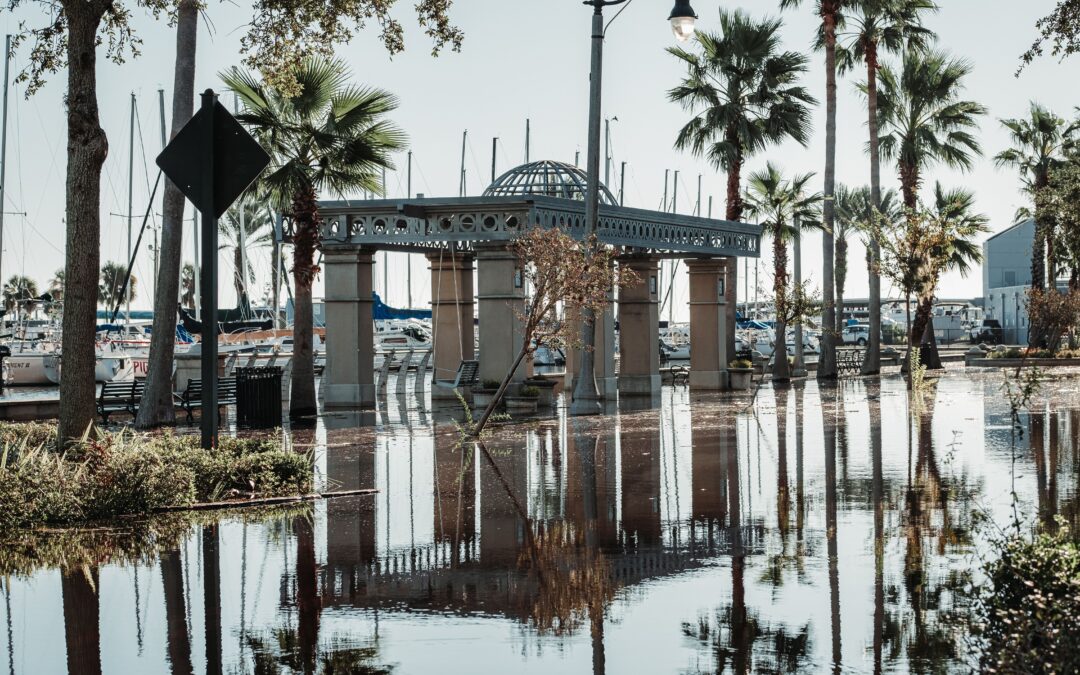
A water damage emergency gets worse by the hour, which is why the first day matters more than any later step.
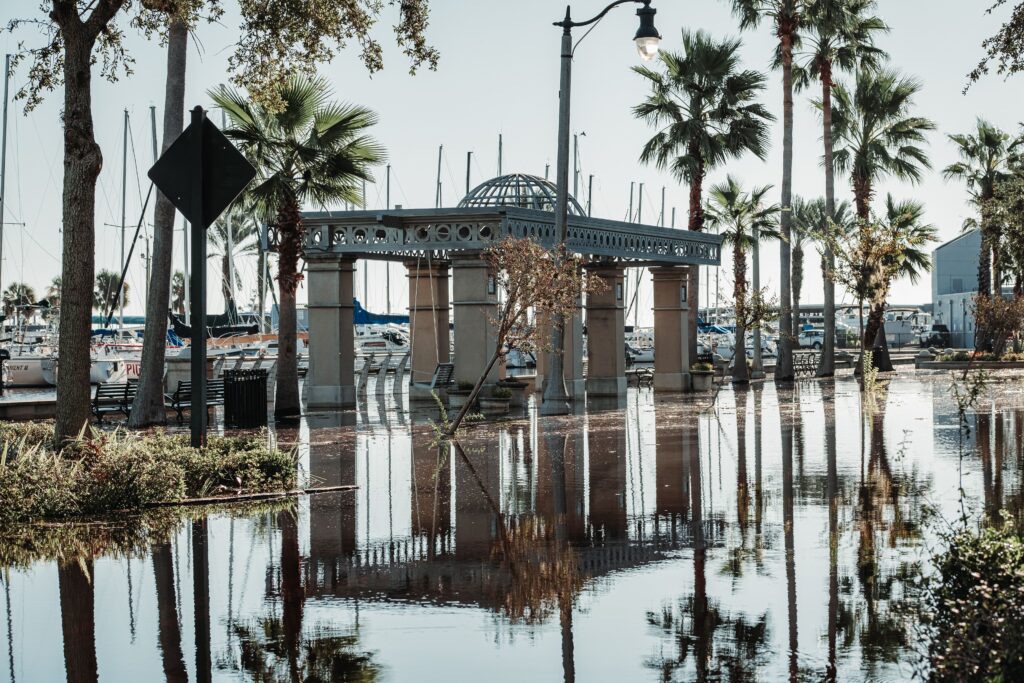
Water damage gets worse by the hour, not the day. What you do in the first 24 hours has more effect on the final outcome — cost, timeline, and whether mold becomes a problem — than almost anything that happens afterward. Here’s the actual sequence that matters.
Step 1: Stop the water source
If the source is identifiable and safe to access — a burst supply line, an overflowing appliance, a failed water heater — shut off the water at the source or the main shutoff valve immediately. If the source isn’t obvious or isn’t safe to reach, this becomes the first priority for whoever responds to the call.
Step 2: Cut power to affected areas if there’s any risk of contact with water
Standing water near outlets, appliances, or wiring is a real electrocution risk. If it’s safe to do so without entering standing water yourself, shut off power to the affected area at the breaker before anyone (including a response crew) begins working in the space.
Step 3: Document before anything gets moved or removed
Photos and video of the damage, taken before extraction begins, matter enormously for insurance claims. This takes minutes and can save significant back-and-forth with an adjuster later — don’t skip it in the rush to start cleanup.
Step 4: Begin water extraction as fast as possible
This is the single most time-sensitive step. Standing water that sits for more than 24–48 hours dramatically increases the risk of mold growth and secondary damage to flooring, drywall, and framing. Professional extraction equipment removes water far faster and more thoroughly than towels, mops, or a shop vac — and every hour of delay is an hour the water has to spread further into materials.
Step 5: Start structural drying, not just surface cleanup
Visible water is only part of the problem. Moisture that’s absorbed into drywall, subfloor, and framing needs industrial drying equipment and moisture monitoring to fully resolve — surface-level cleanup that looks dry can leave hidden moisture that causes mold weeks later.
Why the first 24 hours determine so much of the outcome
The condition of your home or property one week after a water event is determined mostly by how fast extraction and drying started, not by the size of the initial leak or flood. A small leak addressed slowly can cause more lasting damage than a larger one addressed immediately.
What not to do in a water damage emergency
- Do not use a household vacuum on wet floors or carpet.
- Do not turn on lights or appliances in rooms with standing water or a wet ceiling.
- Do not walk through wet areas more than necessary, since you can spread contamination.
- Do not wait for insurance approval to start extraction and drying.
After the first day
Once the water is out and drying has started, turn your attention to paperwork and prevention. Our guide to a water damage insurance claim explains what to document, and our post on mold prevention after a leak covers how to keep moisture from turning into mold. The EPA also publishes guidance on mold and moisture in homes.
The bottom line
In a water damage emergency, speed and order matter: stop the source, make the area safe, document the damage and start extraction and drying right away. Every hour you save protects the structure and shrinks the repair bill. If you are unsure where to start, call a certified team and let them take over the heavy lifting.
IICRC certification isn’t a formality here
Water damage restoration standards exist because water damage response genuinely requires specific technical knowledge — moisture readings, drying science, and mold prevention protocols that aren’t obvious from the outside. IICRC certification means a restoration crew has been trained to that standard, not just told to “dry it out.”
If you’re dealing with water damage right now, don’t wait for a scheduled appointment — call immediately. Call Total Renovation at (619) 755-9919 or learn more about our Water Damage Restoration services.